Smart glass solutions have emerged as a groundbreaking technology to address the growing concerns about ultraviolet UV radiation exposure and its detrimental effects on both human health and the interiors of buildings. As people become more conscious of the potential risks associated with prolonged UV exposure, especially in areas where sunlight is abundant, the demand for advanced protection mechanisms has surged. UV rays are known to cause a range of issues, including skin damage, premature aging, and even an increased risk of skin cancer. However, beyond health concerns, UV rays can also cause significant harm to the interiors of buildings. The constant exposure to UV light can cause fading of furniture, flooring, artwork, and other valuables, leading to costly repairs and replacements. One of the primary advantages of smart glass solutions is their ability to regulate the amount of sunlight entering a building. By adjusting the tint or opacity of the glass in response to external light conditions, smart glass technology can effectively block harmful UV rays while still allowing natural light to penetrate indoors.
In addition to health and interior protection, smart glass solutions offer energy-saving benefits. By controlling the amount of sunlight entering a building, they help regulate indoor temperatures, reducing the need for excessive heating or cooling. This makes them an eco-friendly choice, as they contribute to energy efficiency and lower electricity consumption. As energy costs continue to rise and sustainability becomes a priority, smart glass represents a forward-thinking solution for minimizing energy waste while maintaining comfort inside the building. Beyond practical applications, the aesthetic appeal of smart glass is another key factor in its growing popularity. These glass panels can seamlessly blend into the design of modern buildings, offering a sleek, contemporary look that is both functional and visually striking. Their ability to shift from transparent to opaque at the touch of a button or through automatic sensors gives building owners and occupants greater control over privacy, lighting, and overall ambiance.
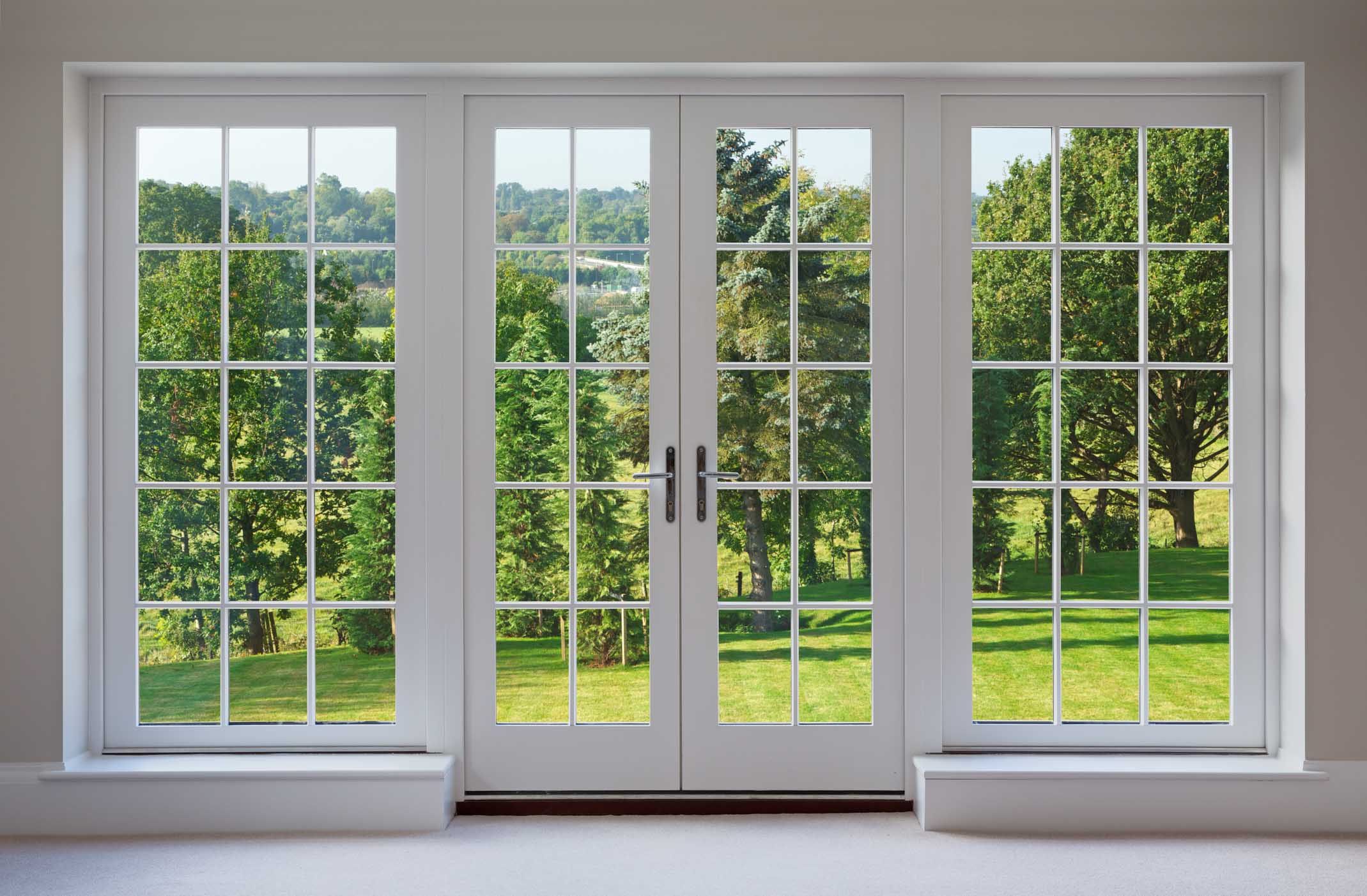
Furthermore, the integration of smart glass solutions into new construction projects or retrofitting existing buildings is becoming increasingly accessible and check it out https://myflashyhome.com/sleep-better-save-more-the-surprising-benefits-of-smart-windows-doors/. Technological advancements have made it more affordable and practical to incorporate these innovative solutions into a wide range of structures. As awareness about the harmful effects of UV radiation continues to grow, and as the technology becomes more refined, smart glass solutions are likely to become a standard feature in the design of buildings that prioritize both the health and comfort of their occupants. In conclusion, reducing UV exposure and protecting interiors is crucial for maintaining both well-being and the longevity of investments. Smart glass solutions present a highly effective way to address these concerns, offering a versatile, efficient, and aesthetically pleasing solution for modern buildings. As this technology continues to evolve, it will undoubtedly play a significant role in the future of architectural design and environmental sustainability.