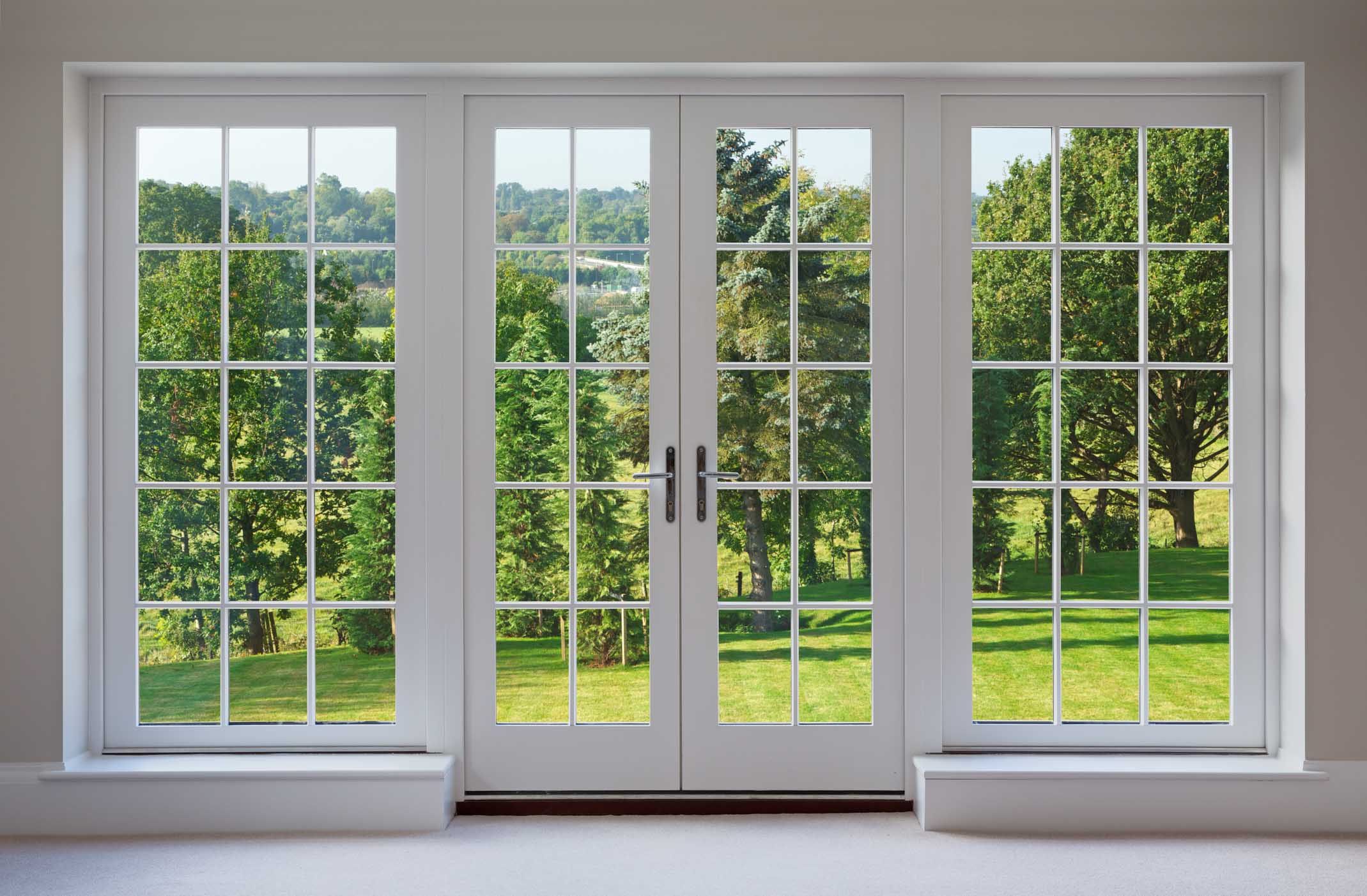
In modern architecture, the integration of cutting-edge windows has revolutionized the way buildings perform, both aesthetically and functionally. These advanced window technologies have played a pivotal role in addressing various challenges that have emerged with the evolution of contemporary design. One of the most significant contributions is the enhanced thermal performance offered by modern windows. The use of energy-efficient materials and insulating technologies has drastically improved the energy efficiency of buildings. By minimizing heat transfer, these windows help maintain optimal indoor temperatures, reducing reliance on heating and cooling systems and leading to substantial savings in energy consumption. Another major advantage of advanced window technologies is their ability to improve natural light penetration while maintaining insulation. Architects and designers are increasingly utilizing windows that allow more sunlight to enter spaces, creating brighter, more inviting interiors. These windows are designed with multiple layers of glass and coatings that control light transmission, ensuring that glare is reduced while still allowing abundant daylight to fill the space. This not only enhances the aesthetic appeal of a building but also contributes to the health and well-being of its occupants by reducing the need for artificial lighting during the day.

Modern windows are also equipped with innovative soundproofing features, addressing a growing concern in urban environments where noise pollution is prevalent. By incorporating specialized glass technologies and airtight frames, these windows effectively minimize noise infiltration from the outside, creating quieter indoor environments. This is especially beneficial for residential buildings located near busy roads, airports, or other noisy areas, allowing occupants to enjoy a more peaceful living space without the disturbances of external noise. Security is another area where advanced window technologies have made significant strides. With the increasing need for safety and protection, windows are now being designed with reinforced glass and advanced locking mechanisms to offer enhanced security. These features help deter break-ins, ensuring that buildings are not only energy-efficient and aesthetically pleasing but also safe and secure for their occupants.
Sustainability is an ever-growing priority in modern architecture, and windows play a crucial role in supporting green building practices. By utilizing materials that are recyclable, durable, and environmentally friendly, advanced windows contribute to the reduction of a building’s carbon footprint. Moreover, they help in achieving sustainability certifications for buildings, such as LEED, by improving overall energy efficiency and reducing the environmental impact of construction and article https://conservamome.com/innovative-window-designs-for-optimal-ventilation/. Technological advancements in window systems have led to the development of smart windows that can be controlled via digital interfaces. These windows can adjust their tint, transparency, and ventilation automatically, responding to environmental conditions such as temperature, sunlight, and air quality. This level of automation provides unparalleled convenience and further enhances energy efficiency, allowing buildings to adapt in real-time to changing conditions, making them more intelligent and responsive to the needs of modern living.